Runway’s image-to-video technology represents one of the most exciting developments in generative AI for filmmaking. This powerful tool allows creators to breathe life into static images, converting them into fluid video sequences with remarkable detail and consistency. Let’s explore how this technology works, see practical examples of its use, and examine some success stories from the field.
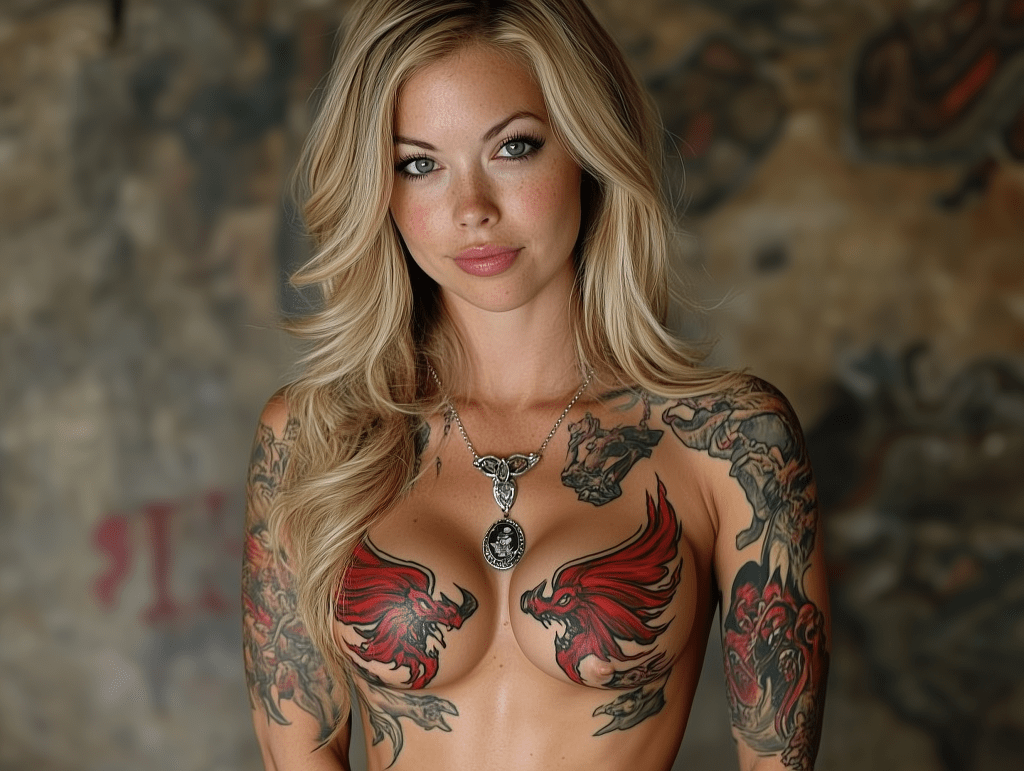
How Runway’s Image-to-Video Technology Works
Runway ML’s image-to-video feature uses advanced diffusion models to intelligently animate still images. The process preserves the original image’s composition, colors, and subject matter while adding natural motion based on the AI’s understanding of how objects typically move in the real world.
Key capabilities include:
- Converting any still image into a short video clip (typically 3-4 seconds)
- Maintaining visual consistency with the source image
- Allowing for motion control parameters to guide the animation style
- Supporting various resolution outputs up to 1080p
Practical Applications
Animating Concept Art
Many filmmakers and production designers use Runway to quickly visualize how their concept art might look in motion. This allows directors to better communicate their vision to cinematographers and VFX teams before shooting begins.
Extending Limited Footage
Documentary filmmakers have found Runway’s image-to-video particularly useful when working with historical photographs. By animating archival images, they can create more engaging visual narratives without relying on static ken-burns effects.
Creating Surreal Music Videos
Musicians and visual artists have embraced the dreamlike quality of Runway’s animations for music videos, creating surreal sequences that would be difficult or impossible to capture with traditional filming methods.
Workflow Integration with Midjourney
Many creators have developed effective workflows combining Midjourney and Runway ML:
- Generate high-quality concept images in Midjourney
- Import these images into Runway ML
- Convert them to video using Runway’s image-to-video feature
- Further refine or extend the generated clips with Runway’s Gen-2 video generation
This combination allows for a powerful creative pipeline that starts with precise image generation and ends with fluid motion videos.
Success Stories
Short Film: “Echoes of Tomorrow”
Indie filmmaker Alex Chen created an award-winning sci-fi short film by generating key visual moments with Midjourney, then bringing them to life with Runway’s image-to-video. The approach allowed for creating futuristic cityscapes and alien environments on a minimal budget.
Fashion Campaign: “Movement in Fabric”
Fashion designer Maya Lin used Runway’s image-to-video to transform her lookbook photography into kinetic content for social media. The subtle animations of fabric movement created a hypnotic effect that significantly increased engagement compared to static images.
Architectural Visualization: “Living Spaces”
Architecture firm Foster + Wilson revolutionized their client presentations by animating their 3D renders with Runway ML. The ability to show how light moves through designed spaces throughout the day provided clients with a more intuitive understanding of the proposed buildings.
Best Practices for Runway’s Image-to-Video
For optimal results:
- Start with high-resolution, well-composed images
- Use images with clear focal points and some implied movement
- Experiment with different motion settings to find the right style
- Consider the intended use case when setting video length and quality
Learning Resources
For those looking to master these techniques, AI Filmmaker Studio (https://www.ai-filmmaker.studio) offers comprehensive guides and research on integrating Runway ML into professional workflows. Their specialized courses cover everything from basic image-to-video conversion to advanced techniques combining multiple AI tools for cohesive storytelling.
The Future of Image-to-Video
As technology continues to evolve, we can expect longer sequences, greater control over specific motion elements, and even more photorealistic results. The boundary between still and moving images is becoming increasingly blurred, opening up exciting new possibilities for visual storytellers.
Runway’s image-to-video technology represents just the beginning of a new paradigm in content creation—one where the line between imagination and realization is thinner than ever before.
Discover more from AI Film Studio
Subscribe to get the latest posts sent to your email.
