The intersection of artificial intelligence and filmmaking has created a new frontier of creative possibilities, transforming traditional cinematography practices and opening doors for storytellers at all levels. With tools like Midjourney and RunwayML leading the charge, AI cinematography is redefining what’s possible in visual storytelling.
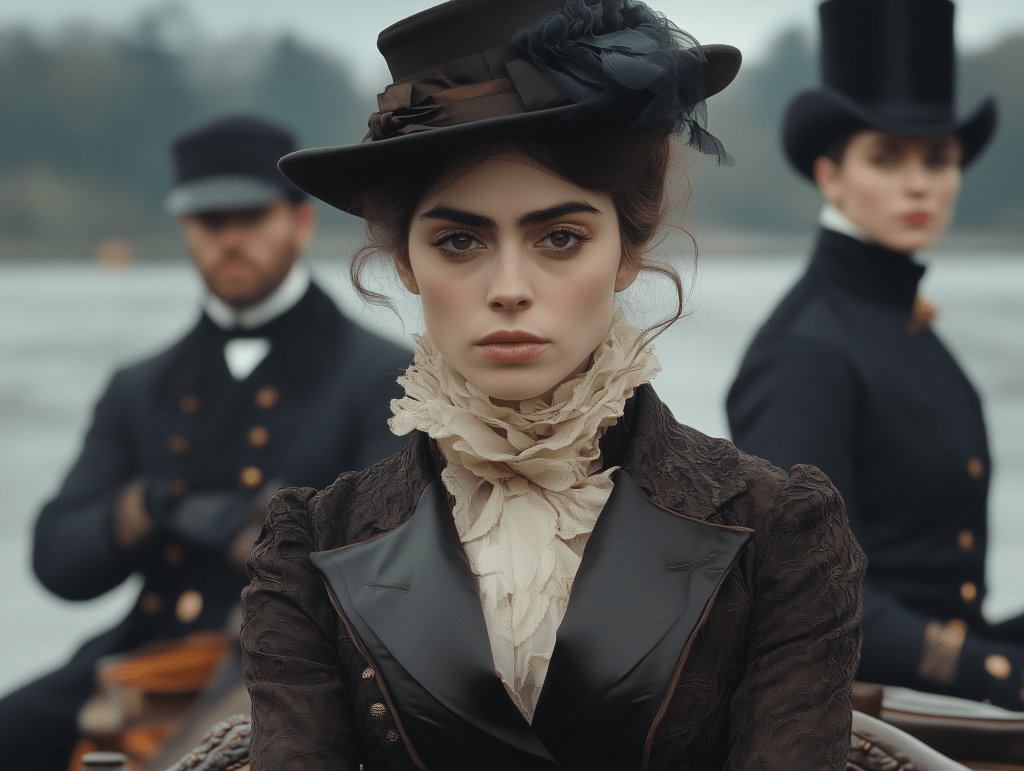
The AI Cinematography Revolution
AI cinematography represents a paradigm shift in how moving images are conceptualized, composed, and produced. Unlike traditional methods that rely solely on physical cameras and human operators, AI tools can generate footage, enhance existing material, or provide creative direction through machine learning algorithms trained on vast libraries of visual content.
Midjourney: Visual Development & Conceptualization
Midjourney has become an invaluable tool for filmmakers in the pre-production and visual development stages. Its ability to generate highly detailed and stylized imagery based on text prompts allows directors and cinematographers to:
- Rapidly prototype visual styles and lighting concepts
- Explore location possibilities without physical scouting
- Develop character designs and costume concepts
- Create mood boards and visual references that communicate artistic vision
For example, indie filmmaker Sarah Chen used Midjourney to conceptualize the distinctive visual language for her science fiction short “Echoes of Tomorrow.” By feeding the AI carefully crafted prompts describing her vision of a near-future urban landscape with specific lighting conditions, she was able to generate reference images that guided her cinematography choices during actual production.
RunwayML: From Concept to Motion
While Midjourney excels at still imagery, RunwayML has emerged as a powerful tool for motion-based AI cinematography. Its Gen-2 model can generate video clips from text descriptions or transform still images into motion. Filmmakers are leveraging RunwayML to:
- Create establishing shots without expensive drone photography
- Generate atmospheric elements like rain, fog, or lighting effects
- Transform concept art into motion tests
- Extend or enhance practical footage with AI-generated elements
Documentary filmmaker Miguel Ortiz utilized RunwayML to recreate historical scenes for his documentary “Forgotten Passages.” By using archival photographs as starting points, he was able to generate subtle movement in otherwise static historical images, bringing them to life in a way that was both historically respectful and visually engaging.
Practical Applications in Production
The practical applications of AI in cinematography extend throughout the production pipeline:
- Pre-visualization: Directors can test complex camera movements and scene compositions before committing resources to physical production.
- Virtual Production Extensions: AI-generated environments can extend LED volume stages, reducing the limitations of physical studio space.
- Style Transfer: Applying specific visual aesthetics consistently across footage, enabling filmmakers to achieve distinctive looks that would be challenging through traditional means.
- Restoration and Enhancement: Upscaling footage, removing noise, or colorizing historical material with unprecedented quality.
- Virtual Cinematography: Creating camera movements and framing in entirely AI-generated environments, allowing for impossible shots that defy physical limitations.
Success Stories: AI Cinematography in Action
The power of AI cinematography is perhaps best illustrated through success stories from the field:
Case Study: “The Synthetic Mirror” Director Jordan Weiss created this award-winning short film by combining practical photography with AI-generated elements. Using RunwayML, Weiss was able to simulate complex camera movements that would have required expensive equipment and specialized crew. The film’s distinctive dreamlike quality came from a combination of real footage and AI-enhanced imagery, creating a seamless blend that audiences found captivating.
Case Study: “Parallax” This micro-budget feature utilized Midjourney for conceptualizing over 200 shots before production began. The director and cinematographer developed a complete visual language through AI-generated imagery, which served as a detailed roadmap during the actual shoot. This pre-production process allowed them to work efficiently on set, knowing exactly what visual elements would create their desired aesthetic.
Ethical Considerations and Future Directions
While the creative possibilities are exciting, AI cinematography also raises important ethical questions about authorship, artistic integrity, and the role of human creativity. The most successful implementations treat AI as a collaborative tool that enhances human creativity rather than replacing it.
Looking ahead, we can expect:
- Increased integration between AI generation tools and traditional camera systems
- More sophisticated motion generation capabilities
- Greater customization options for visual styles
- Improved real-time rendering for live applications
Learning More: Resources for AI Filmmakers
For filmmakers looking to explore AI cinematography further, resources like AI Filmmaker Studio offer valuable guidance and research. This platform provides practical tutorials on integrating Midjourney and RunwayML into production workflows, case studies of successful AI-assisted productions, and a community of creators sharing techniques and discoveries.
Conclusion
AI cinematography isn’t replacing traditional filmmaking—it’s expanding it. By embracing these tools thoughtfully, filmmakers can push creative boundaries while maintaining their unique artistic vision. Whether you’re an independent creator working with limited resources or part of a major production seeking innovative visual approaches, AI cinematography tools offer unprecedented opportunities to bring your stories to life.
The most exciting aspect of this technological revolution may be its democratizing effect. Visual storytelling techniques that were once available only to those with significant resources are now accessible to creators at all levels, promising a more diverse landscape of cinematic expression in the years to come.
Discover more from AI Film Studio
Subscribe to get the latest posts sent to your email.
